
GlueOnline's Guide to cyanoacrylates
- GlueOnline
- Product Updates
- 29 Jun 2026 views
Cyanoacrylates are popular adhesives for bonding a wide range of materials, but what are they and why use them? GlueOnline have put together an introductory Guide to cyanoacrylates to help you choose the right one.
What are cyanoacrylate adhesives?
Cyanoacrylates are instant adhesives, also called superglue or CA adhesives. They offer fast bonds, taking just seconds to cure to handling strength, they require no mixing and bond to most substrates.
Instant adhesives are ideal way for quick bond, repairs and high-speed production lines.
What types of cyanoacrylates are available?
There are a wide range of cyanoacrylate grades available to meet specific or specialised application requirements including:
- Metal or plastic bonding
- UV curable
- Low odour
- Solvent free
- Temperature, chemical, or water resistance
- Different viscosities
- Clear options
- Mil spec, aerospace approvals, and biocompatibility
What is the difference between methyl and ethyl cyanoacrylates?
Ethyl cyanoacrylates are considered the go to being the most common and versatile cyanoacrylate type adhering to most materials including plastics and rubbers. Standard ethyl cyanoacrylates can be brittle, so toughened ethyl cyanoacrylates are preferred for applications exposed to vibration, impact, or flexing stresses.
Methyl cyanoacrylates on the other hand are formulated for metal bonding, typically being stronger than ethyl cyanoacrylates but they can be less effective on plastics and rubbers.
How do cyanoacrylates work?
Cyanoacrylates cure by reacting to very small traces of moisture on the surface of materials. When the adhesive contacts this moisture it triggers a reaction causing the liquid to form into a rigid plastic solid creating a strong bond. This process is almost instant, hence the name.
They require no heat, UV or other equipment unless specially formulated to need it.
Which industries use cyanoacrylates and where?
Instant adhesives are used across industries from aerospace to white goods. Some potential examples include:
- Medial industry - biocompatible grades are used for medical device bonding
- Automotive - used for bonding sensors and vehicle assembly
- Electronics - used for wire taking, and bonding plastic housings or PCB components.
- Marine - specific water resistant grades for temporary repairs
What are the benefits of cyanoacrylates?
-
Instant bonds
- Easy to use - no mixing, no curing equipment
- Adhesion to a wide range of substrates
- Specialty formulations for resistance to heat, moisture, impact and more
- Easy to automate and ideal for high speed production lines
- Approved for use in aerospace, defence, medical and more
Adhesives to Consider:
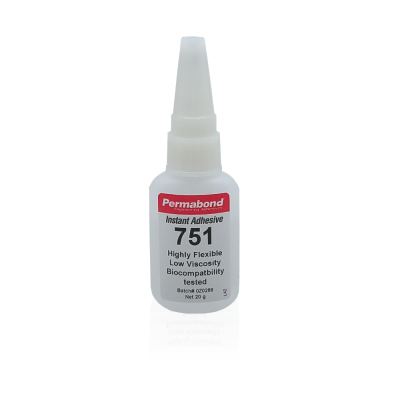
Flexible - Permabond 751, a clear cyanoacrylate adhesive which is biocompatible to ISO 10993-5.
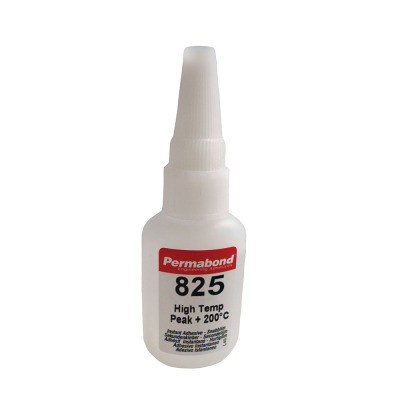
Heat Resistant - Permabond 825, a high heat resistant cyanoacrylate ideal for electronics, electric motor manufacture and e-mobility battery applications
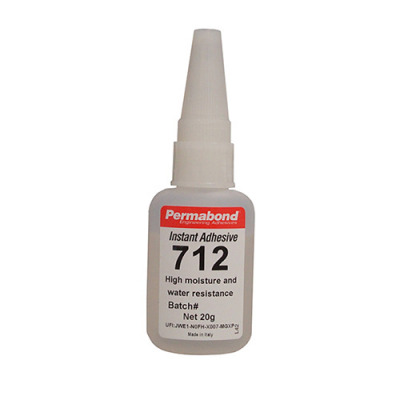
Water resistant - Permabond 712, instant adhesive which resists underwater exposure, heat, and humidity
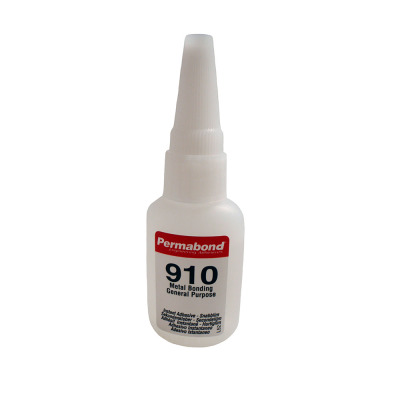
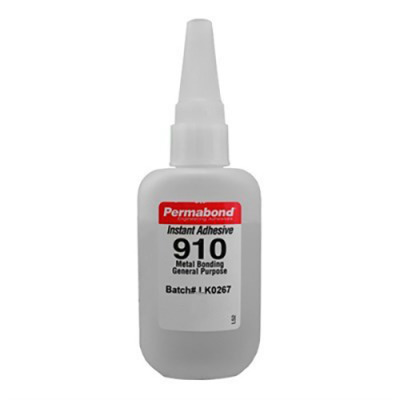
The Original Superglue - Permabond 910 cyanoacrylate with Mil spec and aerospace approvals. Ideal for bonding metal components.
Contact our experts for more information about cyanoacrylates and the best solution for your application.
Related Posts

Related Products
Recent Posts


 RSS Feed